
Rolled Gold: The Quiet Luxury of Antique Jewellery


Rolled Gold: The Quiet Luxury of Antique Jewellery
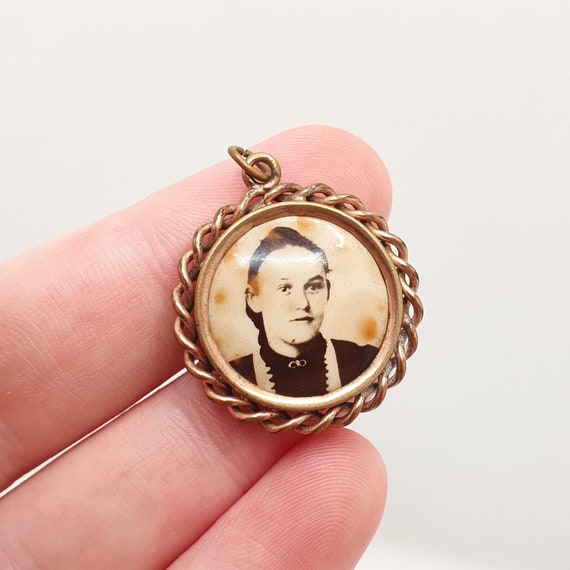
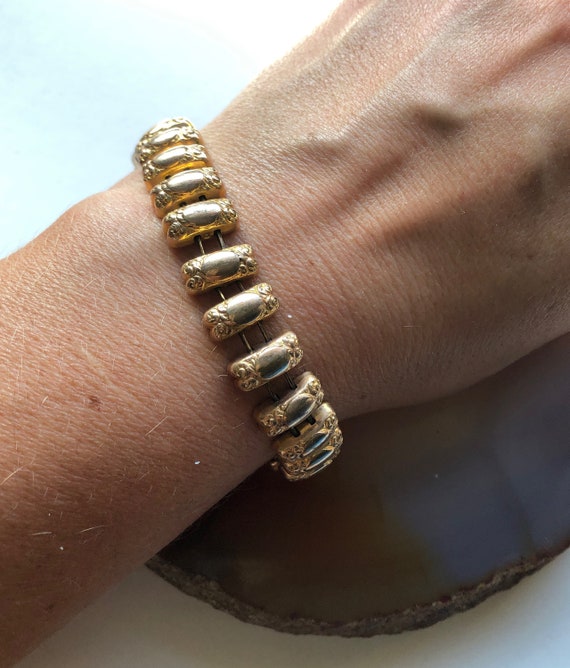

Among the many materials used in antique jewellery, rolled gold is one of the most charming and misunderstood. Many people assume it is simply a cheap substitute for solid gold, but that is rather unfair. In reality, rolled gold has a long history and played an important role in making beautiful jewellery accessible to a wider public.
In the antique world, rolled gold pieces often carry both history and craftsmanship, and when chosen carefully they can be every bit as attractive and collectable as solid gold examples.
What Is Rolled Gold?
Rolled gold is created by mechanically bonding a thin layer of real gold to a base metal, usually brass. The two metals are fused together under heat and pressure and then rolled into sheets from which jewellery can be made.
This process is quite different from simple gold plating.
-
Gold plating involves a very thin electrochemical coating of gold applied to a base metal.
-
Rolled gold, by contrast, contains a much thicker layer of gold, physically bonded to the surface.
Because the gold layer is thicker and mechanically bonded, rolled gold jewellery is far more durable than plated pieces and can last for decades or even centuries with proper care.
In the nineteenth and early twentieth centuries you will often see markings such as:
-
“Rolled Gold”
-
“Gold Filled”
-
“R.G.”
-
“1/20 12K GF” (a common American mark)
These indicate the presence of genuine gold within the outer layer.
Why Rolled Gold Became Popular
Rolled gold rose to prominence during the Victorian and Edwardian periods, when demand for fashionable jewellery expanded rapidly.
Not everyone could afford solid gold pieces, yet people still wanted jewellery that looked refined and elegant. Rolled gold provided the perfect solution.
It offered:
-
The appearance of gold
-
Strong durability
-
A significantly lower cost than solid gold
For jewellers it was also easier to work with, allowing them to produce lockets, watch chains, brooches, and bracelets in large numbers without the enormous expense of solid precious metal.
The Special Charm in Antique Jewellery
Collectors often overlook rolled gold, but in antique jewellery it has a character of its own.
Firstly, many rolled gold pieces were worn daily, which means they often carry the gentle signs of life and use. This can add personality and authenticity that pristine modern jewellery sometimes lacks.
Secondly, rolled gold allowed jewellers to create large and decorative pieces that would have been prohibitively expensive in solid gold. Victorian lockets and watch chains are particularly good examples.
A handsome rolled gold watch chain, for instance, can look every bit as impressive as a solid gold one while remaining much more approachable for collectors.
Why Collectors Still Appreciate It
From a collecting perspective, rolled gold jewellery has several appealing qualities.
Durability
Because the gold layer is relatively thick, many antique pieces survive in remarkably good condition.
Affordability
Collectors can enjoy Victorian and Edwardian designs without paying the price of solid gold.
Design Variety
Some of the most imaginative and decorative jewellery of the nineteenth century was produced in rolled gold.
Historical Authenticity
These pieces were genuinely worn and loved by people of their time. They represent everyday elegance rather than aristocratic luxury.
A Practical Tip for Buyers
When looking at antique rolled gold jewellery, condition matters more than the metal value.
Check for:
-
Excessive wear where the base metal shows through
-
Repairs or soldering
-
Good working clasps and hinges
A well-preserved rolled gold piece can remain attractive for many more decades.
The Quiet Appeal of Rolled Gold
Rolled gold sits in a pleasing middle ground within antique jewellery. It is not quite the grandeur of solid gold, yet it offers far more substance and longevity than simple plated jewellery.
In many ways it reflects the spirit of antique collecting itself: beauty, ingenuity, and history combined in an object meant to be enjoyed rather than merely weighed.
And for collectors with a good eye, rolled gold pieces often provide something even more valuable than their metal content — character and charm earned over time.
Leave a comment
Comments will be approved before showing up.


